

The Myth of the Great Equalizer: Translating ‘Gender and Post-Tsunami Recovery’
Translating Gender and Post-Tsunami Recovery (authored by Chamila Attanapola, Cathrine Brun, and Ragnhild Lund) was a profound exercise in understanding how deeply unequal the aftermath of a catastrophe can be. Co-translating this text alongside Sepala Wijesekara for the Social Scientists' Association brought a very specific, crucial academic lens to the 2004 tragedy.

Translating ‘A Hidden History’ of Women’s Activism
History is often written by the victors, but it is also overwhelmingly written by, and about, men. When we look back at the decades of conflict in Sri Lanka, the dominant narratives are almost entirely military and male-centric. But there is another narrative—one of profound courage and resistance—that often gets buried.

Translating Tragedy: Giving Voice to ‘After the Waves’
Translating the aftermath of a national tragedy means handling grief, resilience, and survival rather than just academic terms - a profound weight carried during the Sinhala co-translation of After the Waves - The Impact of Tsunami on Women in Sri Lanka with Sepala Wijesekara, where maintaining rigorous sociological analysis had to be carefully balanced with honoring the deeply vulnerable narratives of Sri Lankan women whose gender-specific struggles during disaster recovery are too often overlooked.
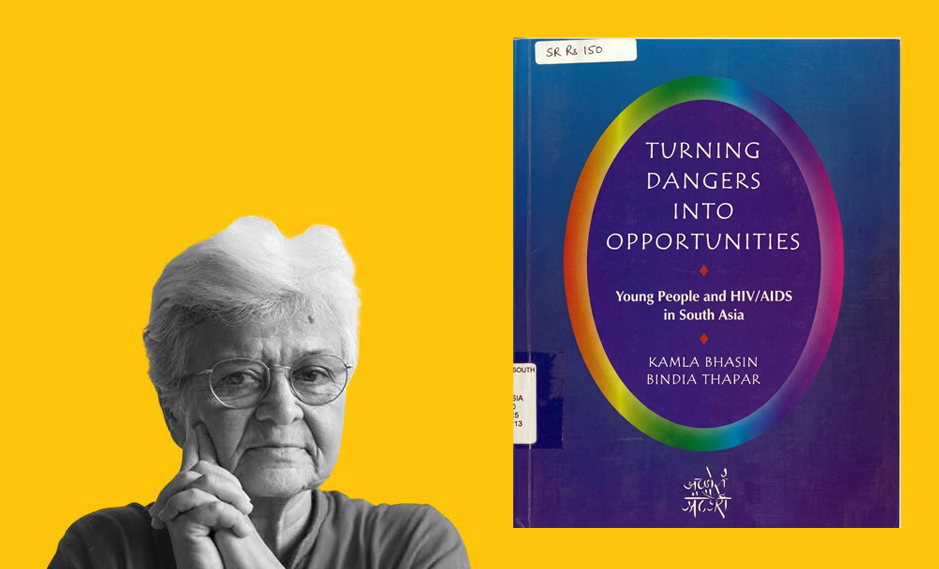
The Genesis of a Translator: The First Book I Translated at Age 16
It was not merely an exercise in substituting English words with Sinhala ones; it was a dive into deep, systemic issues surrounding gender, power, and social structures. [...] Translating a book about turning social dangers into opportunities teaches you that language is never neutral. It is a bridge that makes essential, transformative ideas accessible to the local consciousness.